Inside a Modern Aluminum Foundry: What Takes Place From Melting to Last Inspection
Inside a contemporary aluminum shop, the change of resources into finished items is a complex and systematic procedure. Each phase, from selecting the appropriate alloys to final examinations, plays a critical function. Skilled operators and advanced technology work in harmony to guarantee high quality and accuracy. As the journey unravels, the intricate actions reveal the careful treatment taken to fulfill market criteria. What challenges and technologies wait for in this vital production domain?
The Raw Products: Recognizing Light Weight Aluminum Alloys
Aluminum alloys act as the foundation for the contemporary light weight aluminum factory procedure, offering a versatile variety of residential or commercial properties customized for various applications. These alloys are mostly composed of aluminum, with other components like copper, silicon, magnesium, and zinc included in improve certain attributes. Each alloying aspect adds one-of-a-kind attributes, such as raised strength, enhanced rust resistance, or improved machinability.
The classification of aluminum alloys is commonly divided into 2 categories: wrought and cast. Wrought alloys are processed through mechanical ways, while cast alloys are formed by pouring molten steel right into molds. The option of alloy depends upon the meant use, with some alloys enhanced for high-performance aerospace parts, while others are suited for auto applications. Recognizing the composition and qualities of these alloys is vital for manufacturers to meet the strict demands of modern-day engineering and design needs.
Thawing Process: Transforming Solid to Liquid
The melting process is an important step in the light weight aluminum shop, where solid aluminum alloys are changed right into a liquid state to help with casting. This transformation begins with the cautious option of raw materials, adhered to by their placement in a furnace made to attain high temperature levels. Foundries generally use either induction or reverberatory heating systems, each offering unique advantages for melting effectiveness and energy intake.
As the solid aluminum warms, it goes through a phase change, with the temperature level very closely checked to ensure even melting. Oxides and pollutants are often gotten rid of during this stage, improving the quality of the liquified aluminum. The procedure requires knowledgeable operators who take care of the furnace problems, guaranteeing the alloy reaches the wanted temperature level and structure. As soon as the aluminum is totally thawed, it awaits the following stage, making it possible for precise spreading that satisfies rigid industry criteria.
Pouring Techniques: Accuracy in Every Decline
Putting molten aluminum into molds needs thorough accuracy to ensure that each decrease loads the cavity uniformly and properly. Different methods are employed to attain this level of precision, with each technique tailored to particular spreading demands. The putting process is frequently directed by the use sophisticated equipment, such as automated pouring systems, which guarantee consistent circulation prices and temperature levels.
In addition, operators keep track of the thickness of the liquified light weight aluminum, as variations can considerably impact just how well the steel fills intricate mold designs. Aluminum Casting Company. The angle and elevation from which the aluminum is poured are additionally critical aspects; inappropriate putting can result in issues such as air pockets or insufficient fills up
To reduce these risks, experienced technicians utilize practice and experience, readjusting their strategies based on real-time comments. Generally, the combination of sophisticated innovation and human knowledge is essential for achieving optimal pouring outcomes in modern aluminum shops.
Molding Techniques: Shaping the Future
Molding approaches play an important duty in the aluminum foundry process, influencing both quality and efficiency. Amongst the main strategies are sand spreading and die spreading, each offering distinct benefits for different applications. Recognizing these techniques is important for shaping the future of light weight aluminum manufacturing.
Sand Casting Techniques
Although sand spreading has been a basic method in metalworking for centuries, its innovative applications remain to evolve, shaping the future of the light weight aluminum foundry process. This flexible technique entails producing molds from sand, which can be quickly shaped and reused, making it cost-efficient for large manufacturing. Modern advancements have actually improved the accuracy and effectiveness of sand spreading, enabling complicated geometries and reduced preparations. Techniques such as chilly box and no-bake sand spreading are acquiring appeal due to their ability to create premium molds with enhanced surface area coatings. In addition, the assimilation of computer-aided design (CAD) and simulation software application promotes optimized mold design, additionally improving the casting process and making sure constant top quality in light weight aluminum components.
Die Casting Processes

Cooling and Solidification: From Fluid to Solid
The shift from liquid to solid in the aluminum factory process is a crucial stage that greatly influences the final homes of the actors item - Aluminum Casting Company. As soon as the liquified light weight aluminum is poured into molds, it begins to lose warmth, launching the cooling process. The temperature drop creates the light weight aluminum atoms to shed power and aluminum casting prepare themselves right into a strong lattice framework. This change occurs at specific temperature levels, called the solidification range, which varies depending on the alloy composition
Air conditioning rates play a significant role; rapid cooling can bring about finer microstructures, enhancing stamina, while slower air conditioning may cause coarser grains and decreased mechanical homes. Additionally, the layout of the mold and the density of the spreadings affect cooling rates. Appropriate control of these parameters assurances uniform solidification, minimizing flaws such as porosity or warping. This stage eventually figures out the stability and efficiency of the ended up light weight aluminum part.
Completing Processes: Attaining Perfection
The ending up procedures in light weight aluminum foundry procedures play a vital duty in boosting the final product's look and efficiency. Surface treatment strategies, such as anodizing and polishing, are vital for achieving preferred useful and aesthetic top qualities. Additionally, executing rigid quality assurance procedures guarantees that each component satisfies industry standards and specifications.
Surface Area Treatment Techniques
While accomplishing a flawless surface in aluminum factory procedures is vital, the selection of ideal surface treatment strategies plays a crucial duty. Numerous approaches are used to improve the resilience, deterioration, and look resistance of aluminum elements. Anodizing, for circumstances, includes creating a protective oxide layer that increases resistance to put on and improves visual charm. One more technique is powder layer, which not just supplies a durable finish yet likewise enables a range of textures and shades. Additionally, chemical sprucing up can be made use of to accomplish a bright, reflective surface area. Each of these treatments offers to enhance the total high quality and longevity of the ended up product, ensuring that elements meet the rigorous needs of their designated applications.
Quality Control Actions
Making certain the best in light weight aluminum factory procedures necessitates rigorous quality assurance steps throughout the finishing stages. These measures include extensive examinations at each manufacturing phase, where skilled employees evaluate surface honesty and dimensional accuracy. Advanced techniques such as non-destructive screening (NDT) are employed to spot prospective flaws without compromising the product's structure. Furthermore, chemical evaluation is conducted to verify the alloy structure, guaranteeing it fulfills defined requirements - Aluminum Casting Company. Monitoring tools calibrations and preserving exact temperature controls throughout procedures like anodizing better enhance top quality. Last inspections entail examining aesthetic elements, such as surface area finish and color uniformity. By implementing these extensive high quality control procedures, shops can assure clients of the reliability and sturdiness of their light weight aluminum items
Top Quality Control: Guaranteeing Criteria Are Met
Quality control plays a vital role in the aluminum factory procedure, as it directly influences product honesty and performance. Each stage of manufacturing is thoroughly monitored to ensure compliance with industry standards and specs. This begins with basic material assessment, where the quality of light weight aluminum ingots is confirmed for pureness and make-up. During the melting phase, temperature and alloy proportions are carefully regulated to achieve excellent results.
As molten aluminum is put into mold and mildews, professionals conduct aesthetic assessments to identify any type of problems, such as air bubbles or misalignments. After cooling, spreadings undertake dimensional checks utilizing specific measuring instruments to validate they meet required tolerances.
Lastly, ended up items go through strenuous screening, including mechanical and chemical analyses, to confirm their sturdiness and efficiency capabilities. This thorough quality control process warranties that each element not just meets however surpasses customer assumptions, enhancing the shop's credibility for excellence.
Regularly Asked Questions
What Precaution Are Applied in an Aluminum Foundry?
Precaution in a light weight aluminum foundry include safety equipment, air flow systems, fire reductions equipment, routine safety training, danger interaction, and rigorous adherence to methods to avoid crashes and guarantee the health of all employees.
Exactly How Is Waste Managed Throughout the Light Weight Aluminum Spreading Process?
Waste monitoring during the light weight aluminum spreading process involves recycling scrap light weight aluminum, correctly disposing of hazardous products, and employing dirt collection systems. These actions aid decrease ecological effect while making sure reliable source utilization throughout production.
What Kinds of Equipment Are Made Use Of in Modern Foundries?
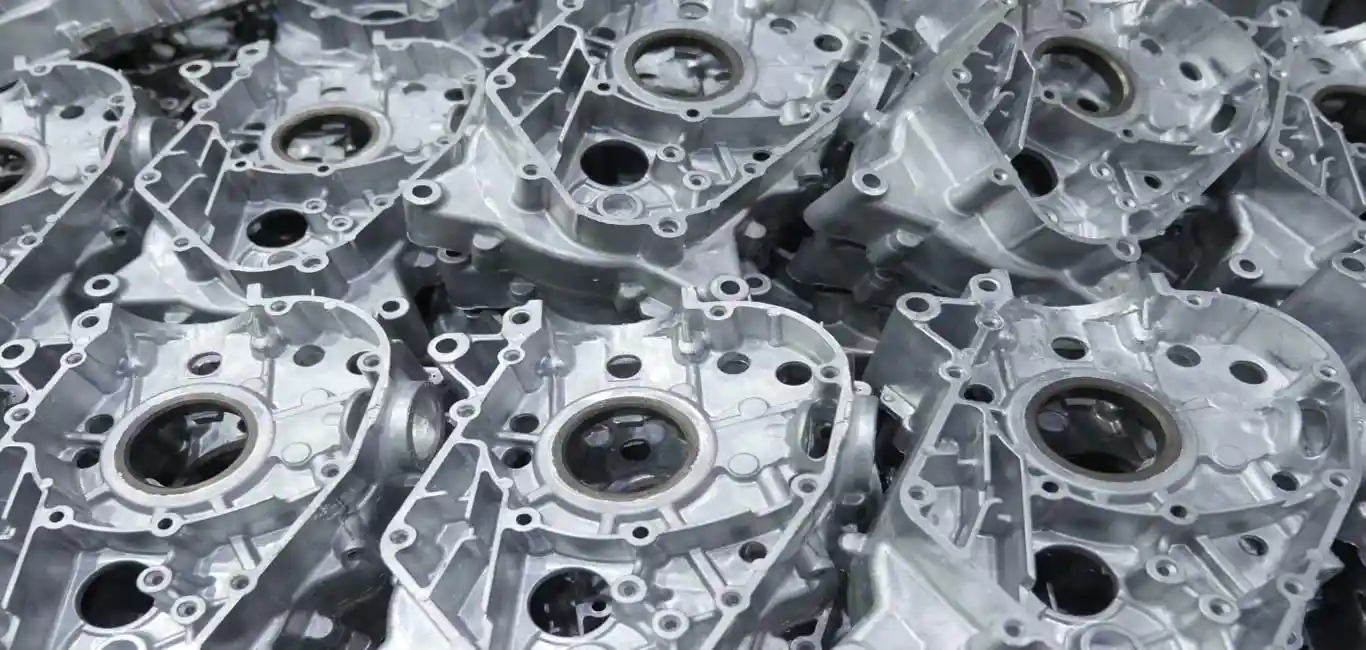
How Are Aluminum Alloys Selected for Particular Applications?
Aluminum alloys are selected based upon mechanical residential properties, corrosion resistance, thermal conductivity, and weight demands. Designers assess application demands, carrying out assessments and examinations to assure peak efficiency and compatibility with the intended use the last item.

What Certifications Do Foundries Need to Run Legally?
Foundries must get numerous qualifications to run lawfully, including ISO, ASTM, and industry-specific standards. These certifications guarantee compliance with security laws, top quality assurance, and environmental administration, promoting count on among clients and adherence to legal requirements.
Aluminum alloys serve as the structure for the modern light weight aluminum factory process, offering a functional array of residential properties tailored for numerous applications. The melting process is a vital action in the light weight aluminum shop, where strong light weight aluminum alloys are changed into a liquid state to facilitate casting. Sand casting has been a fundamental strategy in metalworking for centuries, its innovative applications continue to develop, forming the future of the light weight aluminum foundry procedure. Making sure the highest high quality in aluminum shop processes necessitates strenuous quality control procedures throughout the ending up phases. Waste administration during the aluminum spreading process includes recycling scrap light weight aluminum, correctly disposing of unsafe materials, and using dust collection systems.